
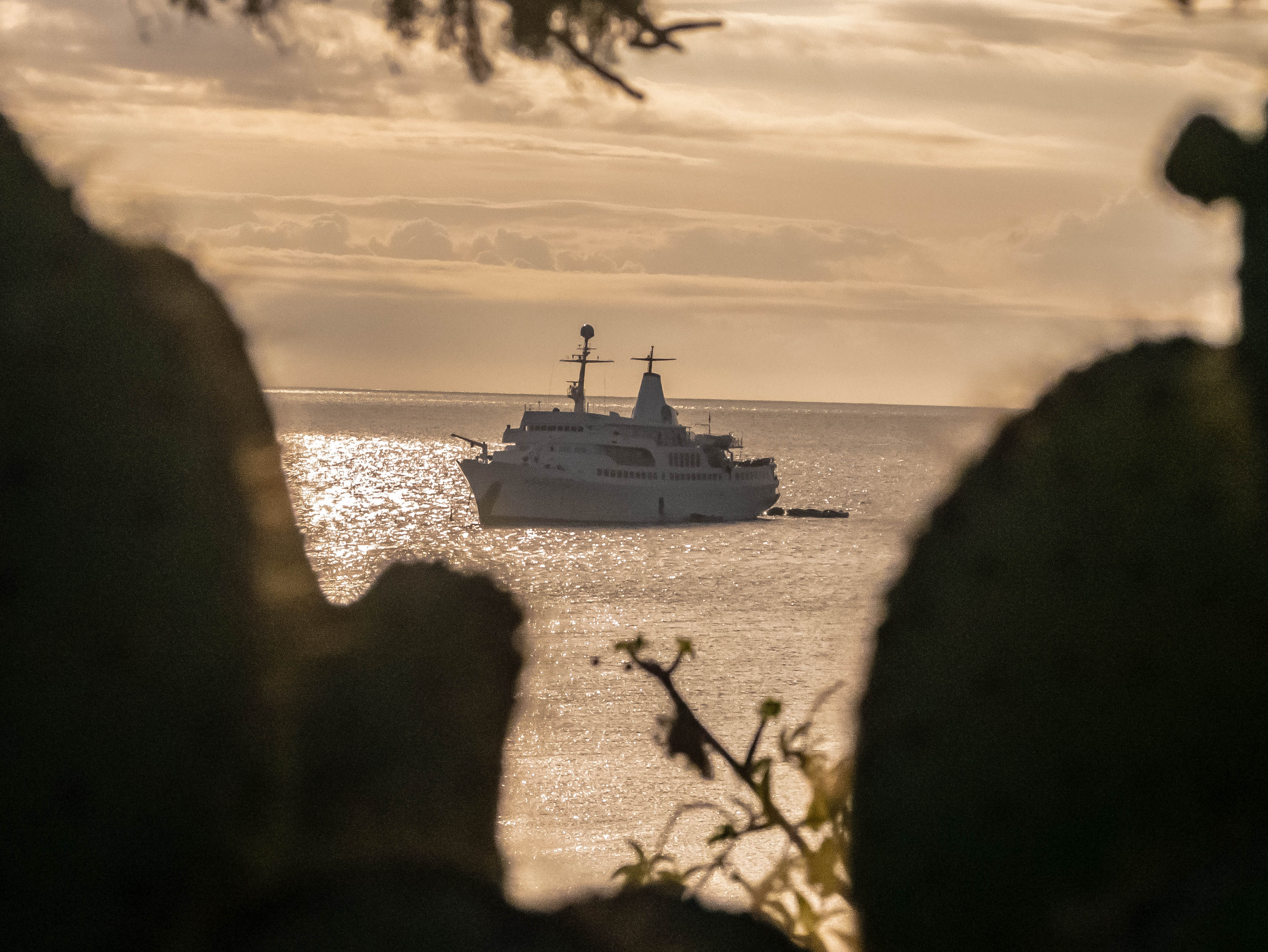
“Actually, I don’t care about the iguana’s suffering,” Dave tells me aboard the Galapagos Legend, overlooking the islands for which the cruise ship is named. Taken aback to hear these words from someone who flew around the world to be here, I’m not quite sure what to say as the beans make their escape from my tortilla. While the passengers revel in taco night onboard, these creatures cling to volcanic rocks under the surface, fighting the tide for a chance at some algae.
The crowd of a hundred khaki-clad vacationers milled through the line for seconds or thirds, hungry from a day of exposure in the rocky islands. During outings, the sun bakes whatever is in its gaze. If you’re lucky enough to find the shade of a palo santo tree, those sparsely adorned sticks do in fact feel holy above your head.
Of course, the ship is never too far away.
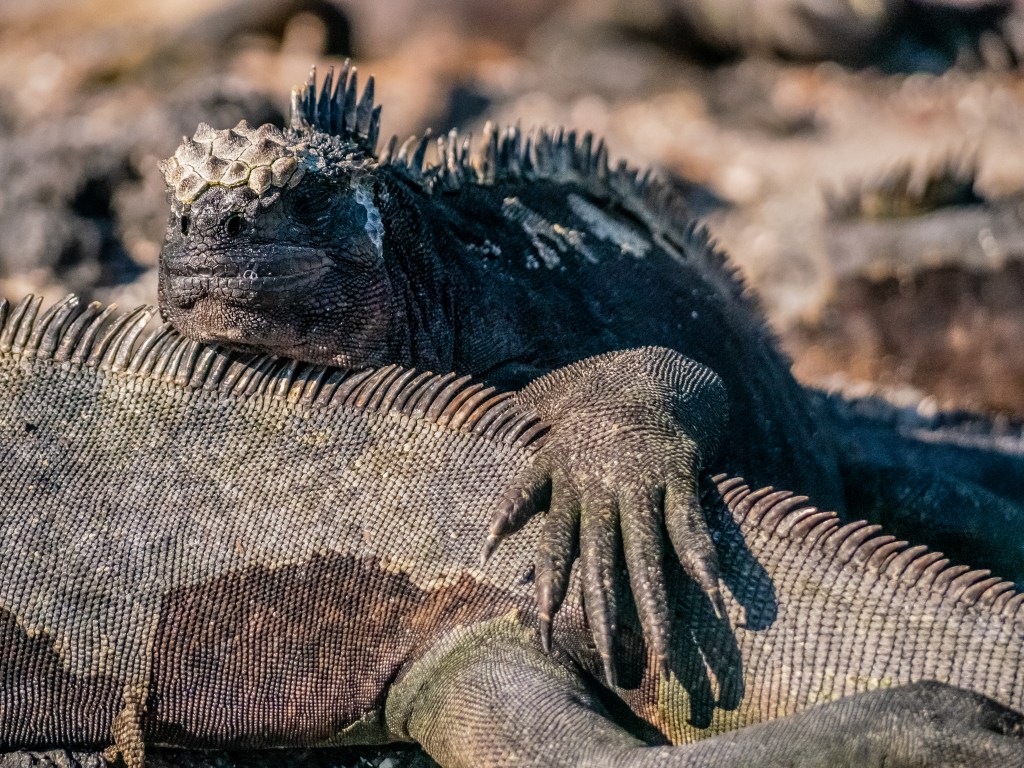
It is 2019, an El Niño year, and while we feast on these foods sourced from a thousand kilometers away, life begins to wither here. Some of the creatures may shrink by up to 20% to endure the shortages that accompany these periodic events. Those that can hold on, that is. As many as 9 of 10 of these iguanas will not last the year. Their remains will befall the same fate as the coral reefs here—once awash in a technicolor spectrum, now the white of spilled Clorox.
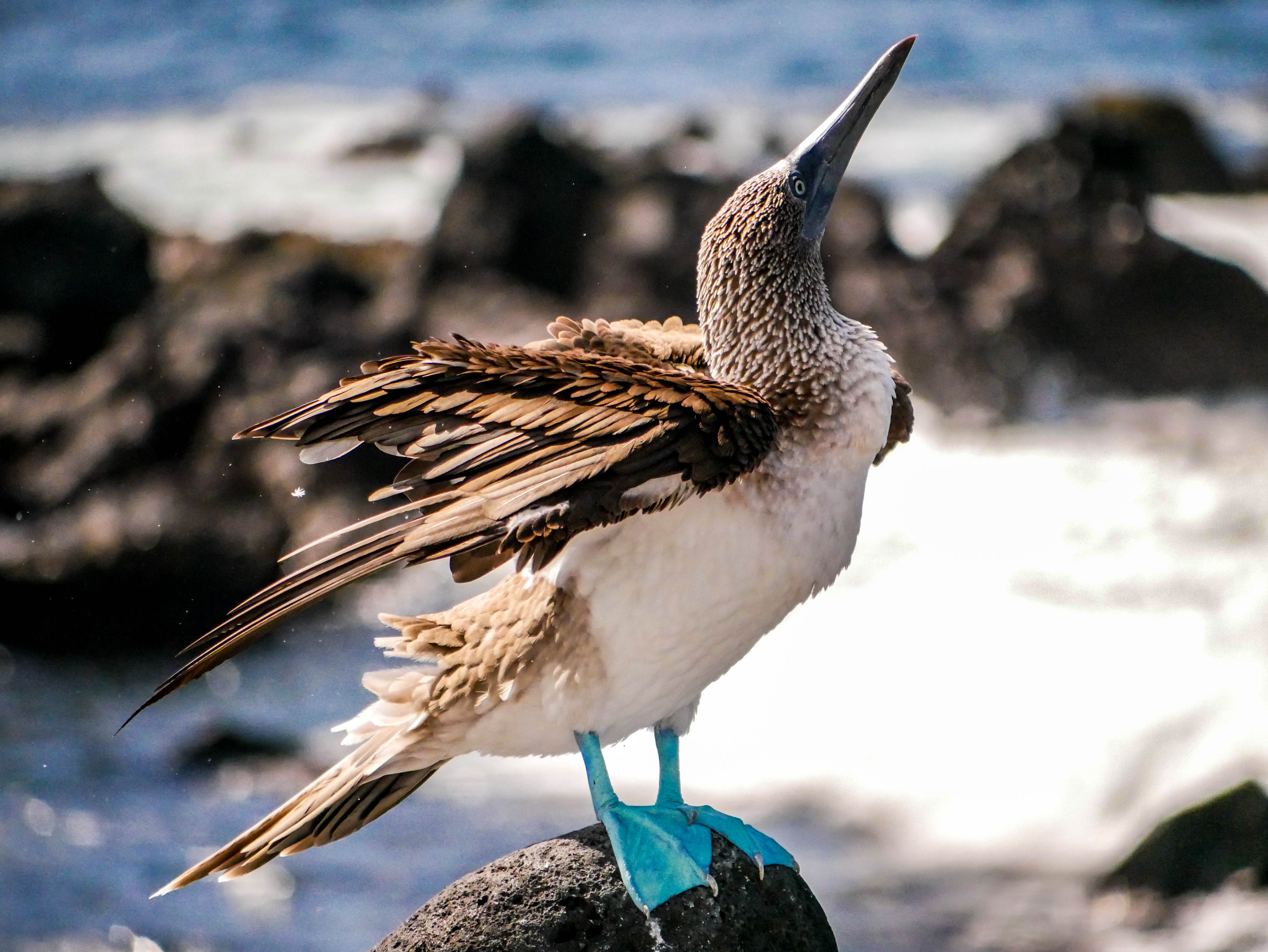
And those that can hold on are the very same which bring the vibrancy that you hoped to simply witness in taking this trip, Dave. It may be easier to dismiss it all as curiosities from afar, but the absence altogether is still wholly felt. The systems that bring the iguanas, sea lions, and the ever chuckle-inducing blue-footed boobies into the frames of our cameras will give way to monochrome lifescapes, where the likes of the mosquitos and goats will flourish instead.
So why should you care?
Because the health of the systems that sustain these creatures is what undergirds our own abundance. That these scaly wonders are more than claws clinging to some rocks 600 miles off the coast of Ecuador. They grasp the web of life, which depends upon balance. The same balance of systems that support the iguanas allow us to have another day to marvel at them. We pull on too many threads, too quickly, and that web unravels from a safety net to a tightrope.
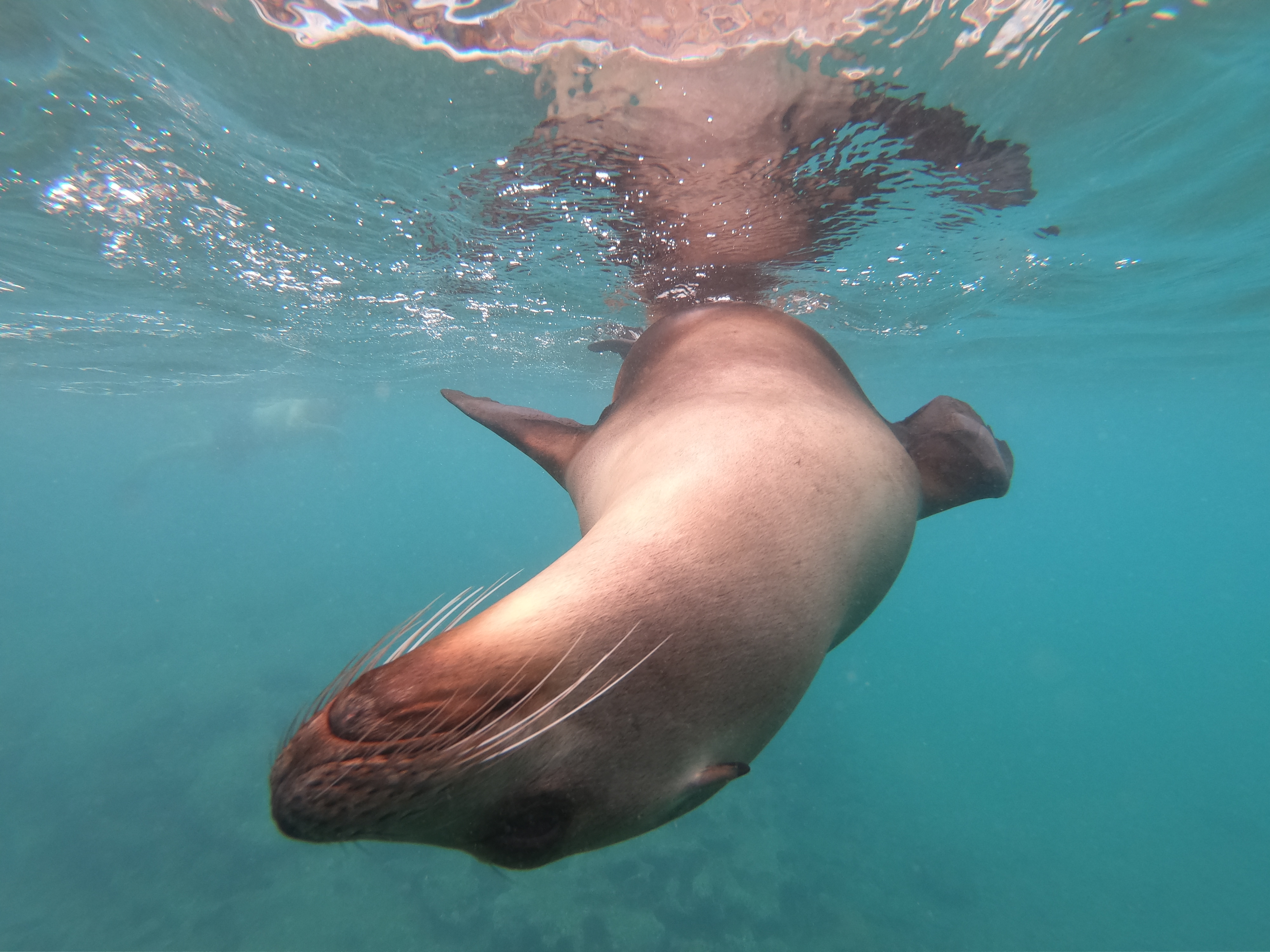

Even with your prescription snorkel mask, it seems the lens with which you view these creatures may be blurred. We all have our blind spots. We should be so lucky to see above and below the water as these lizards do. As we’ve walked on the rocks, with our soft skin and two legs, our balance falters. The iguanas maneuver the rocky blades between crashing waves.
A world with this fundamental diversity makes life not just more vibrant, but possible. It injects dimension into a beautifully interwoven system that you have professed a love for and spent a life studying, yet seem to have missed the mark in showing empathy towards. The reduction to delineated order is not an enhancement to natural structure, but an impediment.
What happens to you, and all of us, when the systems that have allowed for a joyful taco night, bearing witness to splendor, or simply an existence of relative stability is no longer a guarantee?
This is not just about iguanas. It’s about this web of shared existence—of our small place in it, and large impacts on it. It’s time to adjust our vision to see how we can start spinning new threads, while we can.
 Two-Wheelin' Revealin'
Leave a comment